
Sixty grams of a tree that is nearly gone, and nothing has replaced it.
The head plate protects the mortise where the hair is wedged. Ivory was standard here until the trade bans.
The tree that named Brazil is now the reason a bow travels with paperwork
François Xavier Tourte settled the modern bow around 1785: a cambered pernambuco stick of 74 to 75 centimetres, about sixty grams, with a frog and a screw. Nothing has replaced the wood since — not carbon fibre, not any other timber.
The species was listed on CITES Appendix II in 2007 and moved to a stricter listing at CoP19 in 2022.
Read the pieceThree places to start
Five sections · 27 pieces The Bow
Seventy-five centimetres, sixty grams, and nobody has improved on it
The geometry, components and evolution of the modern pernambuco bow from pre-Tourte transitional forms to Tourte's settled proportions.
6 pieces The Record
What was decided, when, and by whom
CITES, IBAMA, the 2007 and 2022 listings, the paperwork a bow now travels with, and the institutions that hold the conservation and auction record.
5 pieces Collections
What is left of the forest the wood came out of
The named museum and institutional holdings — Phoenix, the Ashmolean, the Cité de la Musique — and the Atlantic Forest itself as the collection that matters most.
5 pieces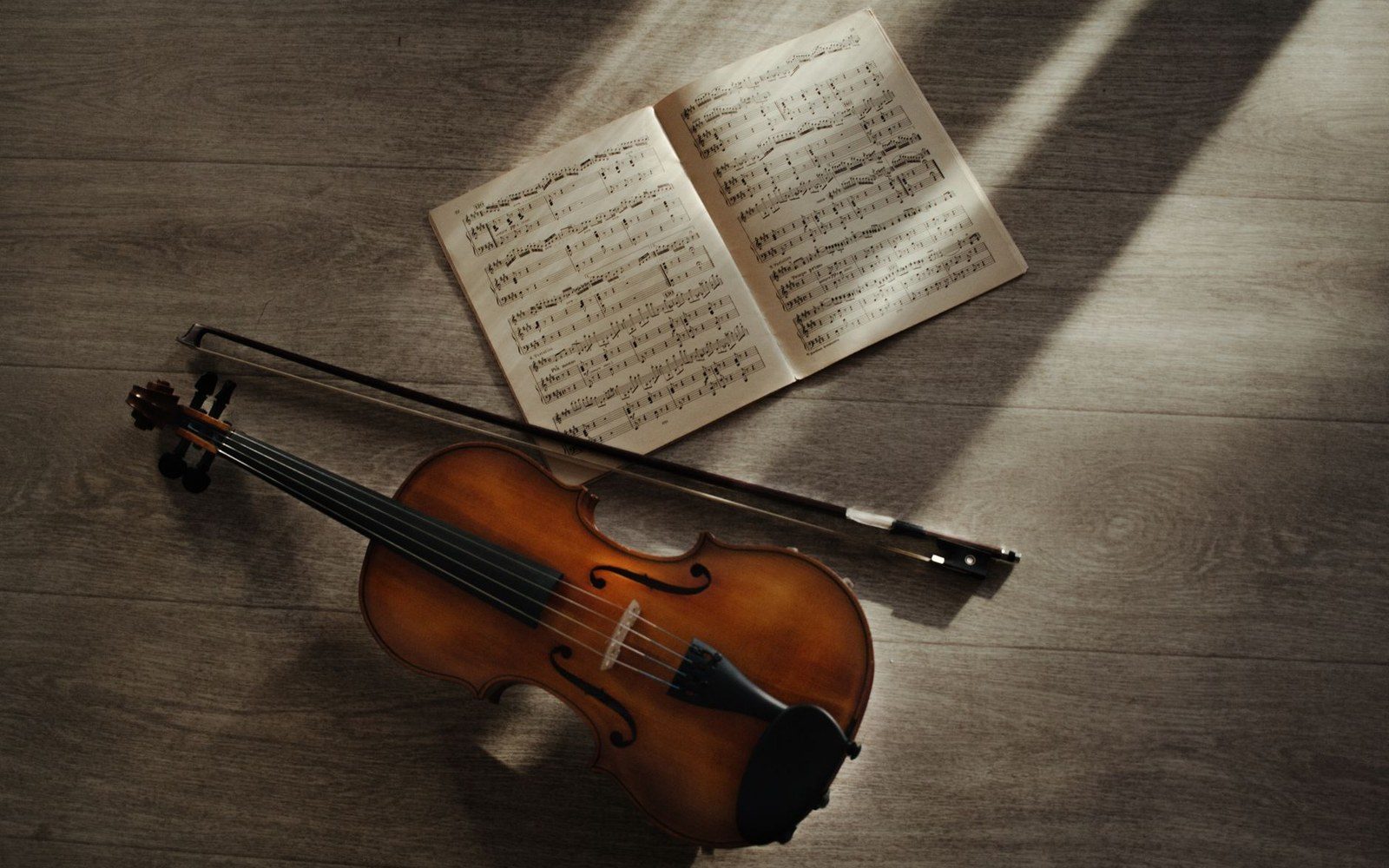
74 to 75 centimetres from button to tip, 58 to 64 grams. The figures came out of one Paris workshop and were never revised.
Photo: Daria Nekipelova / PexelsSeventy-Five Centimetres, Sixty Grams, and Nobody Has Improved On It
The absence of successful deviation is itself data.
The proportions Tourte settled around 1785 have not moved in two centuries. That stability is not conservatism — it is evidence.
Read itEight facets, planed by hand
The stick is worked from a square billet to an octagon and, on most bows, rounded from there. The section is the site's mark: it opens every section page and sits beside the name in the masthead.
10 mm
Where the wood grew, and where it is still counted
The Tree · CollectionsSix places, six pieces
Paubrasilia echinata grew along the northern and central Atlantic coast — the belt that gave the wood its commercial name. Every place pinned here has a piece on this site.
- PernambucoThe Dye That Named a Country
- BahiaWhat Is Left of the Forest the Wood Came Out Of
- Espírito SantoPlanting Back What the Trade Took: the Documented Replanting Programmes
- Rio de JaneiroEndangered on the Red List: What the IUCN Assessment Says
- BrasíliaWhat IBAMA Controls and How the Export Record Works
- São PauloThe Makers Who Stayed Near the Wood
Five more, from four sections
All 27 piecesThe RecordAppendix II in 2007, and What Changed in 2022
Appendix II in 2007, a stricter listing at CoP19 in 2022. A finished bow now travels with documentation.
 Measurements
Why This Particular Wood Does What No Other Wood Does
Density, modulus and internal damping in one piece of wood. No substitute has matched the combination.
 Collections
The Dye That Named a Country
Dyewood chips and the red they yield. The dye trade ran for 250 years before the bow trade began.
 Makers
Dominique Peccatte and the School That Carried His Name
The broad head and muscular taper a school formed around, held inside Tourte's length and weight.
 The Bow
Horsehair, Rosin, and the Friction the Whole Thing Depends On
Hair is a consumable and the stick is not. The cuticle scales that hold rosin wear flat with use.